CGI Product Photography London
CGI product photography creates campaign and product-page images without tying every new composition to a physical shoot. I build the product in 3D, then shape the materials, light and composition with the same judgement I use behind a camera.
The approved model can return for new angles, colourways and later launches. The service covers watches, fragrance, jewellery, packaging and other small products.
Based in London, working with brands and agencies worldwide.
Selected CGI product work
Self-initiated fragrance studies showing the same 3D build, glass, surface and lighting craft used for high-resolution CGI product images across other categories.
Issey Miyake: Le Sel d’Issey
CGI study. Salt, stone and changing light, shaped around the fragrance's tension between earth and sea.
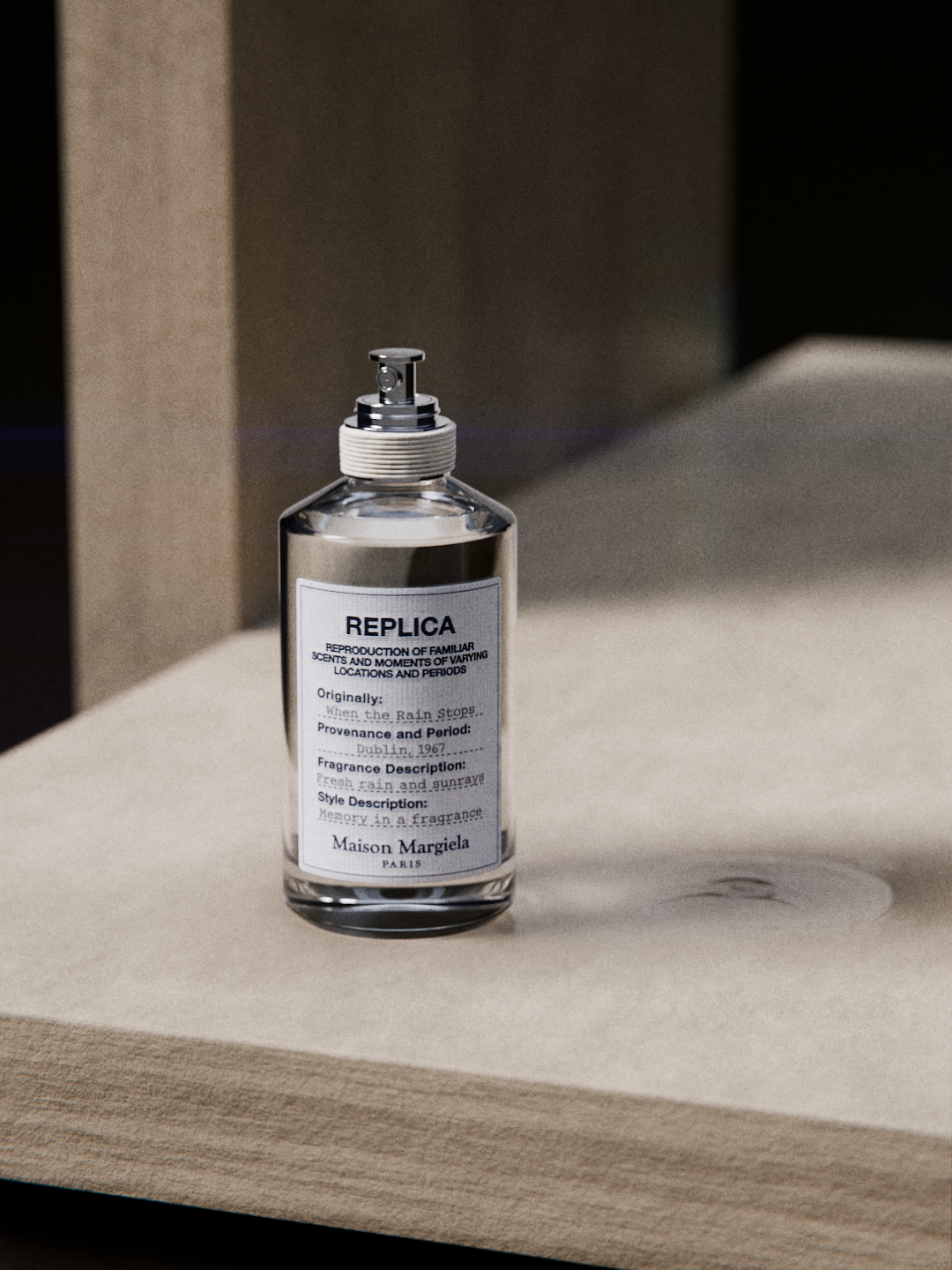
Maison Margiela Replica: When the Rain Stops
CGI study. Dry stone, wet shadows and the memory of rain.
Tom Ford: Grey Vetiver
Warm concrete, dry grass and restrained movement around the bottle.
How a CGI product photography project works
A clear five-stage process from source material to final image delivery.
01
Brief and source material
We define the product, final uses and required views. CAD files, technical drawings, reference photography or a physical sample can form the starting point.
02
3D build
I prepare an existing model or build the product in Blender. Small details are checked at the size and camera distance of the final image.
03
Material development
I build the finish from supplied references, paying close attention to roughness, reflection and the way each surface meets the light.
04
Lighting and composition
I set the camera and light around the product, then develop the surrounding surface or environment. You approve the visual direction before final rendering.
05
Review and delivery
You receive review images at agreed stages. Final TIFF, PNG or JPEG files are supplied at the resolutions required for web and print. The working model stays on file for later images.
Product detail, shaped around the idea.
I check the product's shape, markings and materials against the supplied references. Light and composition then follow the brief. A product might rest on a surface, float or interact with a simulated material. Each choice should serve the idea and keep the important details readable.
An approved model can support further views and compositions. We plan the required images, formats and any animation together, and scope later changes against the assets already built.
Hero and campaign stills
Compositions built around the product's form, material and intended place within the campaign.
E-commerce product images
Consistent views for product pages, catalogues and retailer listings, delivered to the required crop and resolution.
Colourway and packaging updates
New finishes, labels or approved design changes created without arranging another physical shoot.
Pre-launch visuals
CGI product images built from CAD, drawings or packaging artwork before the final product is available.
CGI product photography for brands and agencies
I work directly with product brands and as a specialist CGI production partner for creative agencies. If you bring approved art direction, I can handle the model, look development and final render production. If the direction is still open, I can develop a visual route with you.
For jewellery-specific CAD and gemstone work, the dedicated 3D jewellery rendering page goes into greater detail. Fragrance films and product animation are scoped separately when the brief needs movement.
Common questions
Does the product need to exist?
No. I can work from CAD, technical drawings or detailed reference. A physical sample helps when an unusual surface or finish needs close matching.
When should I use CGI instead of photography?
CGI is useful for pre-launch work, repeated colourways and views that would be difficult to build physically. Photography remains the better choice when real human interaction or complex organic texture is central to the image. Many campaigns use both.
How long does a CGI product image take?
Timing depends on the starting assets, scope and review stages. I'll confirm a schedule with the quote and identify what needs to be supplied or approved to keep it moving.
How much does CGI product photography cost?
The quote depends on the product model, material complexity, number of compositions and final formats. Share your references and intended use for a scoped estimate.
Can you animate the finished model?
Yes. Animation is quoted separately because it adds storyboarding, movement, rendering and video delivery.
Planning a product launch?
Send the product reference, required images and launch timing. I will come back with a clear scope and production plan.